India's manufacturing consulting platform for MSMEs and start-ups — filling the gaps for new entrants through our network of expert consultants.
Jump to a sector to see its market outlook.
India's food and beverages market was expected to reach USD 10,676 million by 2024, growing at a CAGR of 14.4% between 2020 and 2024. India is the largest producer of milk and spices in the world.
The pharmaceutical industry in India is the third-largest in the world by volume, with the sector expected to reach USD 100 billion by 2025.
India's chemical industry is the sixth-largest in the world by size, and is expected to reach USD 304 billion by 2025, growing at a CAGR of 9.3%.
FMCG is the fourth-largest sector in India, growing at a CAGR of 9–10% over recent years. The rural FMCG market alone is expected to reach USD 220 billion by 2025.
India is expected to become the third-largest automotive market in the world by 2026, and is already one of the prominent exporters of automobiles globally.
India is the third-largest military spender in the world and has the second-largest armed forces, with 1.3 million active personnel. The country is planning to spend USD 130 billion on military modernisation over the next 5–7 years, with emphasis on indigenous manufacturing.
India is one of the largest electronics markets and the second-largest mobile manufacturer in the world. The sector was estimated to reach USD 400 billion by 2022.
India stands fifth in the world for renewable energy installation capacity and aims to produce 450 GW of renewable energy by 2030 — ranked the fourth most attractive renewable energy market in 2019.
Textile is the oldest industry in India, with presence across the entire value chain. Textile and apparel exports are estimated to reach USD 300 billion by 2024-25.
Oil and gas is one of India's eight core industries and holds key influence over other sectors of the economy. India is the third-largest consumer of oil in the world.
India is the fourth-largest medical devices market in Asia, expected to reach USD 50 billion by 2025, with export value expected to reach USD 10 billion by the same year.
India's toy market is expected to reach USD 2.9 billion by 2023, up from USD 1.3 billion in 2017 — a CAGR of 13.9% — though the country still relies on imports to meet domestic demand.
India is the second-largest producer of coal and steel, and the fourth-largest producer of iron ore in the world. Crude steel production is expected to reach 255 MT by 2030-31.
India's plastic industry dates back to the late 1950s and has diversified rapidly, with more than 30,000 units nationwide, 80–90% of which are SMEs, and huge scope for exports.
The Indian packaging industry is expected to reach USD 204.81 billion by 2025, growing at a CAGR of 26.7%, driven by packaged food, e-commerce and pharmaceutical demand.
Paper consumption in India is expected to rise to 23.5 million tonnes per annum by 2025, up from 15 million tonnes in 2020. India ranks 15th among top paper manufacturing countries and is the largest newspaper circulation market in the world.
India's population of more than one billion serves as a huge domestic market for manufacturing businesses, and its rapidly increasing urban population makes it one of the fastest growing economies in the world — expected to become the world's third-largest economy by 2050. India's young population provides cost-effective human resources for industry.
Following economic liberalisation in the early 1990s, industrial activity picked up rapidly. Manufacturing is one of the fastest growing sectors in India, contributing around 18% of the country's GDP, with the government aiming to raise that contribution to 25% and create 100 million jobs by the end of 2025. Several initiatives have been announced to attract both domestic and foreign investment, and India has greatly improved its position on the ease-of-doing-business index. The implementation of GST created a common market with a GDP of USD 2.5 trillion and a population of 1.3 billion. The manufacturing sector has the potential to become a USD 1 trillion opportunity within five years.
India remains a favourable destination for manufacturing businesses, yet the Indian manufacturing industry is still to realise its full potential, with limited presence of domestic players. Much of that gap comes down to a lack of guidance for first-generation entrepreneurs entering the sector — many young entrepreneurs are willing, but lack support around viable business ideas, business plans and product ideation frameworks.
Sree Venkateswara Projects Consultants understands the hardships of entrepreneurs starting their own manufacturing business. We help you decide on your venture as per your skills and budget, exposing you to a wide range of innovative, viable manufacturing business ideas. Our experienced consultants handhold entrepreneurs through the entire journey — from plant set-up to marketing and sales.
Register & Get Business Ideas →Priority sectors and investment climate across four leading manufacturing states.

Located in the south-eastern region, Andhra Pradesh is the seventh largest state in India, with over 974 km of coastline — the second-longest in India. With 6 sea ports and 6 air ports, the state enjoys strong connections to international markets, and is known as the rice bowl of India.

Karnataka is one of the fastest-growing states in India. Bangalore, its capital, is known as the IT hub of the country — but beyond IT and software, the state is emerging as a favourite investment destination for manufacturing, and is the largest producer of aerospace and defence equipment in India.
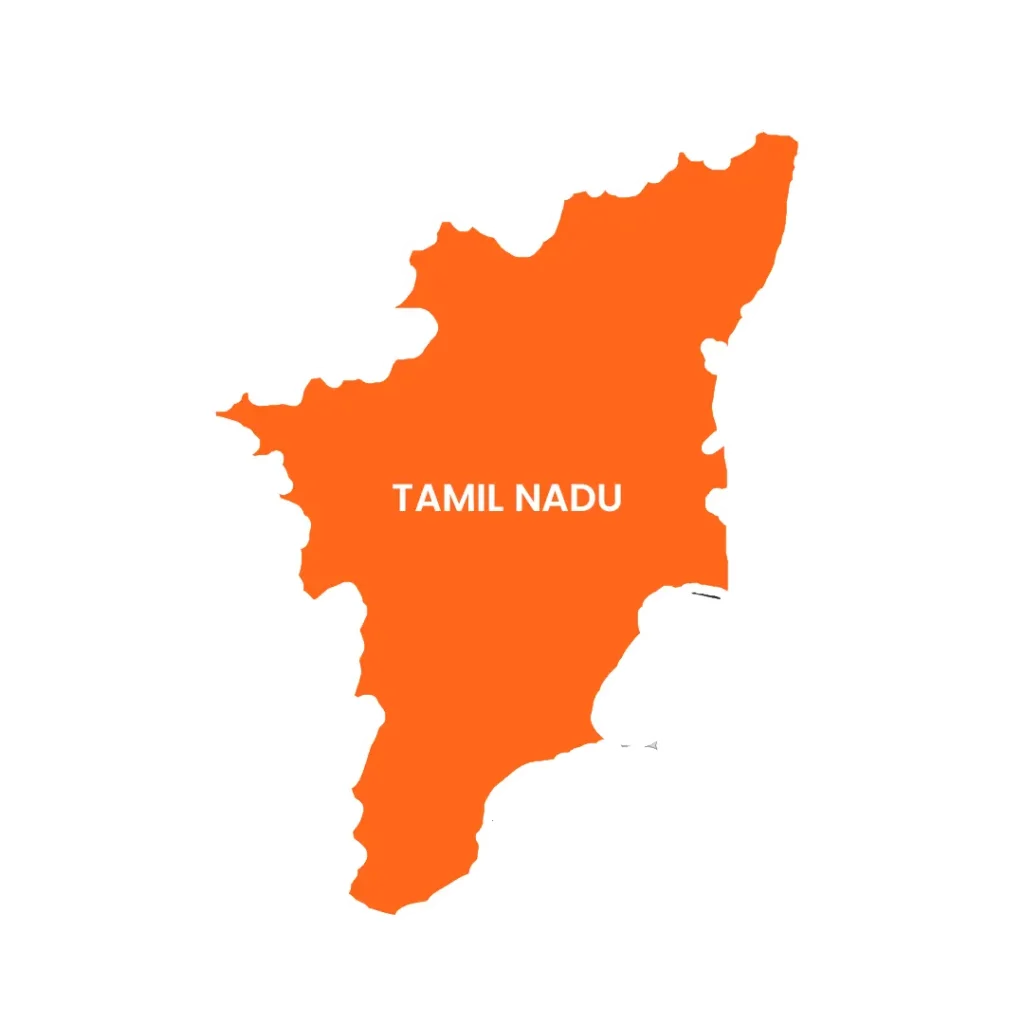
Tamil Nadu has the second-highest GDP in India, the highest number of operational SEZs (37) in the country, and is home to more than 37,000 industrial units. With world-class industrial infrastructure, it's one of the top 10 manufacturing hubs in the world.
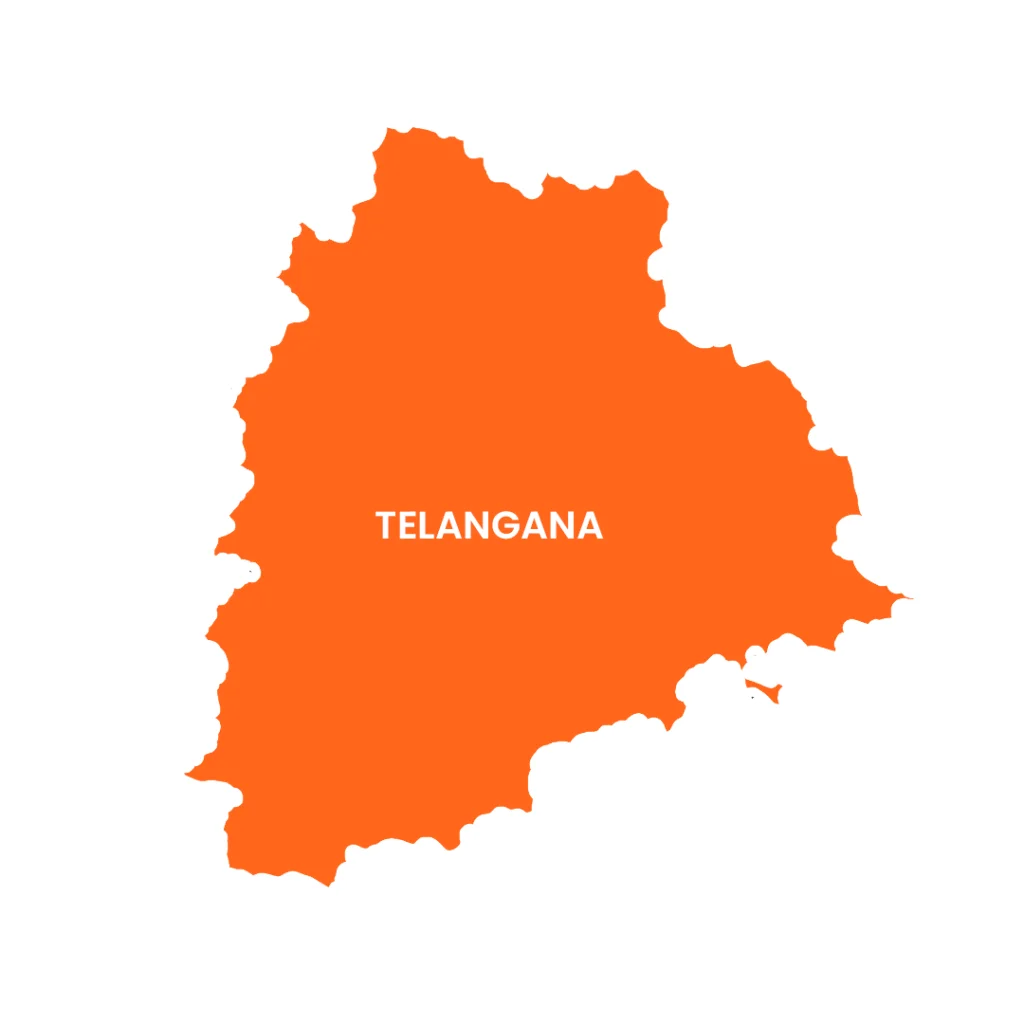
Ranked No. 2 in ease of doing business, Telangana is one of the most favourable investment destinations in India, with the second-highest number of operational SEZs (30). It's the only state to introduce a 'Right to Clearance' for industrialists seeking industrial clearances.
Whatever your starting capital, there's a viable way into manufacturing.
This range typically suits small-scale, single-line units — think a compact food processing, packaging or FMCG repackaging set-up. At this budget, the priority is a lean detailed project report, a right-sized facility, and second-hand or shared machinery where it makes sense, so working capital isn't stretched too thin in year one.
Enough headroom for a dedicated production line with new core machinery, basic automation and a small in-house quality function. Businesses in this bracket usually qualify for a wider set of MSME schemes and subsidised credit, which our consultants help structure alongside the plant plan.
This is where multi-line plants, higher automation, and export-oriented compliance (ISO, sector-specific certifications) start to make sense. It's also the range where sectors like defence-linked manufacturing become viable, supported by schemes and FDI provisions.
Full-scale, multi-product manufacturing with significant automation, dedicated R&D, and readiness for institutional or export markets. At this level our role shifts toward funding structuring, joint ventures, and long-term operations and succession planning alongside the core plant build.
Venturing into manufacturing and setting up a plant is not an easy task for first-generation or new entrepreneurs. This is where Sree Venkateswara Projects Consultants comes in — providing every support an entrepreneur needs, at every phase of the journey.
Market research is paramount before starting a manufacturing business — understanding market needs and designing a product to suit them. A product feasibility report reveals technical and economic viability, and a SWOT analysis paints a clear picture to help narrow down the right product.
Thorough market research identifies the ideal plant location for supply chain efficiency and cost. Working with Engineering, Procurement, Construction & Commissioning (EPCC) partners, we draft a detailed project report with plant layout to support funding estimation, and guide the procurement and implementation of machinery.
The Government of India supports manufacturing with financing and subsidy schemes that often carry lower interest rates than private financing. Depending on company structure, we help entrepreneurs navigate debt or equity routes, and structure project financing to secure the right loan at the best available rate.
A clear business plan guides the way to success, backed by supply chain management planning to execute defined objectives. Businesses may also enter joint ventures for heightened resources and reach — and every company needs a brand and marketing strategy to stand out from competitors.
R&D is the primary phase of product development, with prototype testing validating quality and cost-effectiveness before full production. Once the product is finalised, training resources to deliver it consistently is what ensures quality and lead time — and a well-managed, trained workforce makes for a more productive, positive workplace.
Beyond company registration, manufacturing plants typically require Factory Licenses, Udyog Aadhar, Pollution and Environmental clearances, industry-specific licenses, and Sewage/Effluent Treatment Plant approvals. ISO certification, while not always mandatory, adds market value. We act as an intermediary between government and business to obtain the necessary clearances and certifications.